Every Print Started With a Prayer
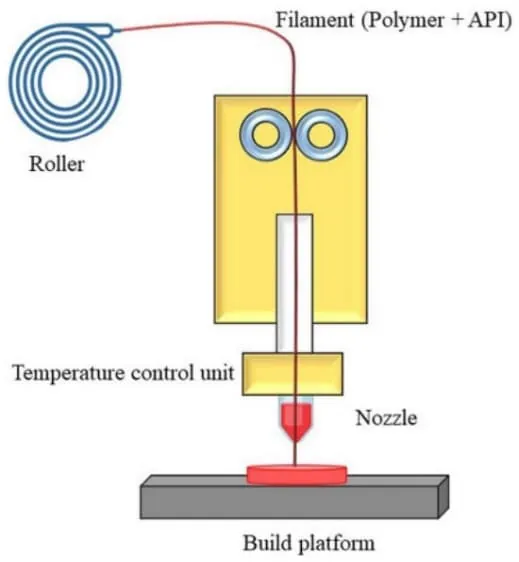
Anyone who has owned an FDM 3D printer knows the ritual. You slice a perfect model, press print, and hope. Hope that the first layer sticks. Hope that the corners don't curl, that the hotend doesn't clog, that twelve hours later you won't be staring at a plate of spaghetti where a part used to be.
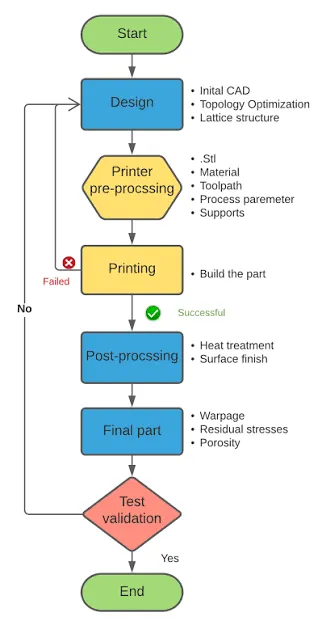
That hope exists because additive manufacturing, for all its freedom, is fragile. Quality hangs on a dozen coupled variables — nozzle temperature, bed temperature, speed, layer height — and the industry answer was to keep everything separate: design here, material selection there, monitoring by squinting at a webcam, validation on paper. Longer cycles, higher scrap rates, parts that can't be repaired once they fail.
So we asked one question, and it refused to leave us alone: what if the printer could watch itself — and what if the whole pipeline could think?
Before We Could Build, We Had to Read
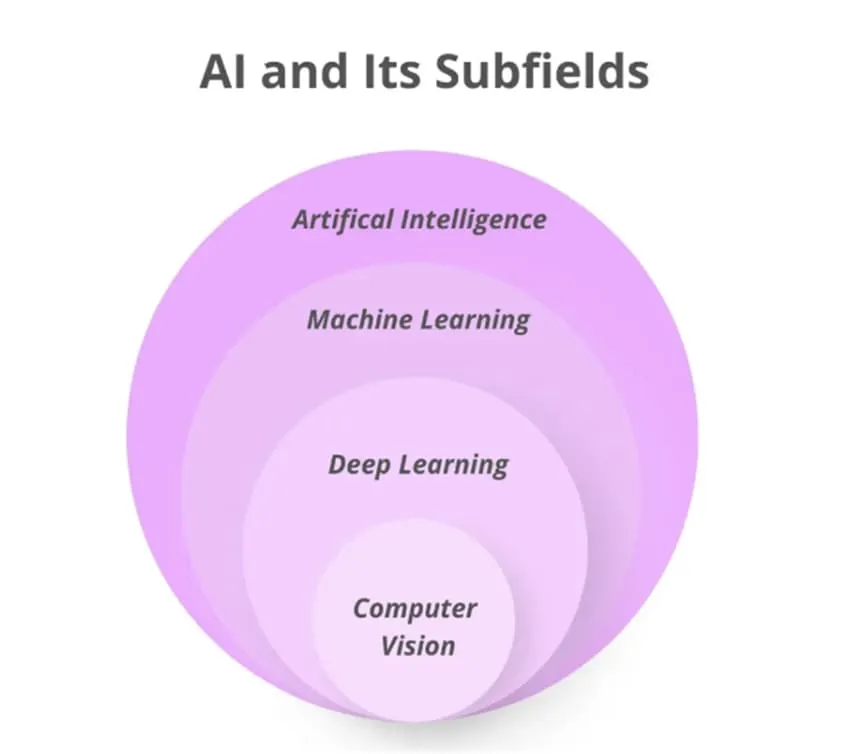
We spent the first months of the year inside the literature — from the seven families of additive manufacturing to the evolution of artificial intelligence, and everything in between. Not to collect citations, but to find out where intelligence had already proven itself inside manufacturing, and where nobody had looked yet.
The pattern kept repeating: AI assists design through generative and DfAM workflows, it optimizes process parameters, it watches prints in-situ, and it predicts quality before parts cool down. Every serious system converging on the same shape — a closed loop that senses, decides and corrects.
That's when the project stopped being a report topic and became a mission. We didn't want to build another tool. We wanted to build the loop.
We Took a Racket Apart. Then Rebuilt It Smarter.
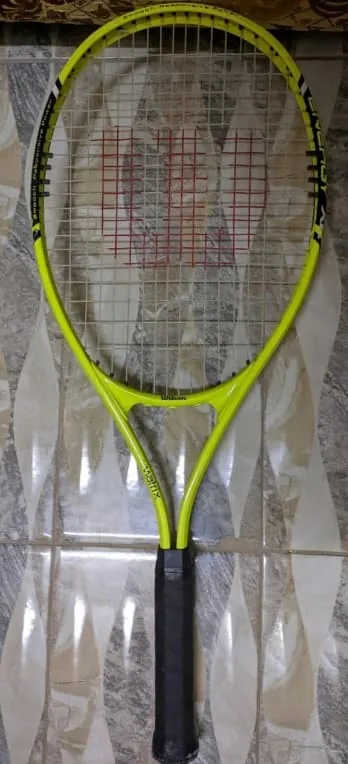
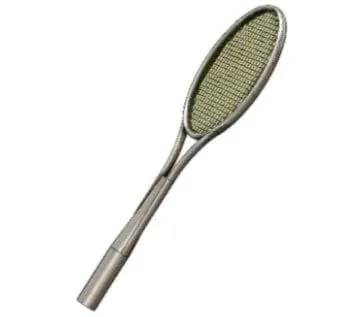
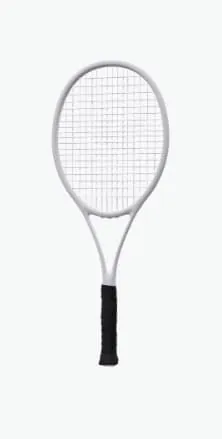
Before we trusted our pipeline with the future, we tested it against something unforgiving: a real tennis racket. Rackets live and die by geometry — the ITF enforces strict dimension limits, the frame has to survive violent impact loads, and the handle has to feel right in a human hand.
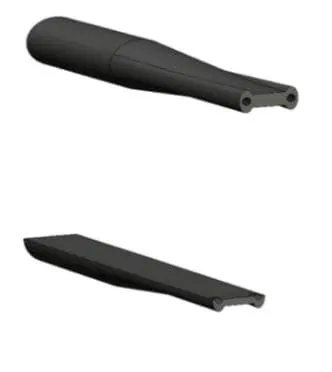
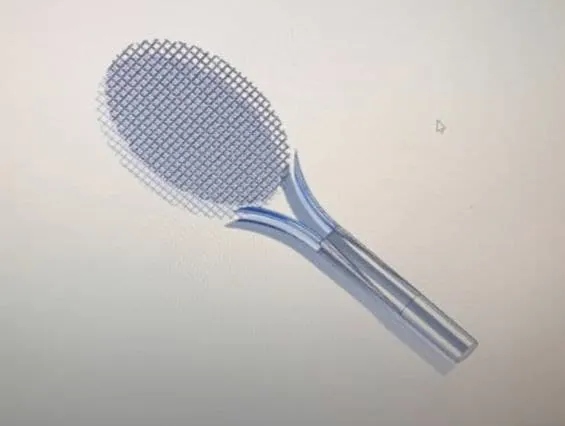
We photographed and measured the original, reconstructed its geometry as CAD, and validated every dimension against the standard. Then we re-engineered it for FDM: the frame and head in PETG for stiffness, the handle in TPU 95A for flex — a two-material assembly designed to be printed, not molded.
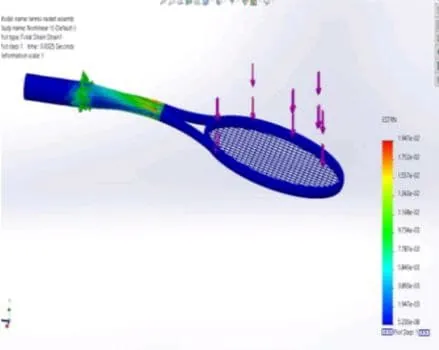
Finite element analysis came next: sweet-spot impact loading, von Mises stress maps, modal analysis across four vibration modes. And when the structure was proven, we let go of the steering wheel — handing the head region to generative design and letting the algorithms propose what our intuition never would.
Then We Stopped Using Tools — and Started Building Them
The loop we promised needed three kinds of intelligence working together. So we built them, one by one — each started as an algorithm on a laptop, and each ended as a working system with a face.
The Material Oracle
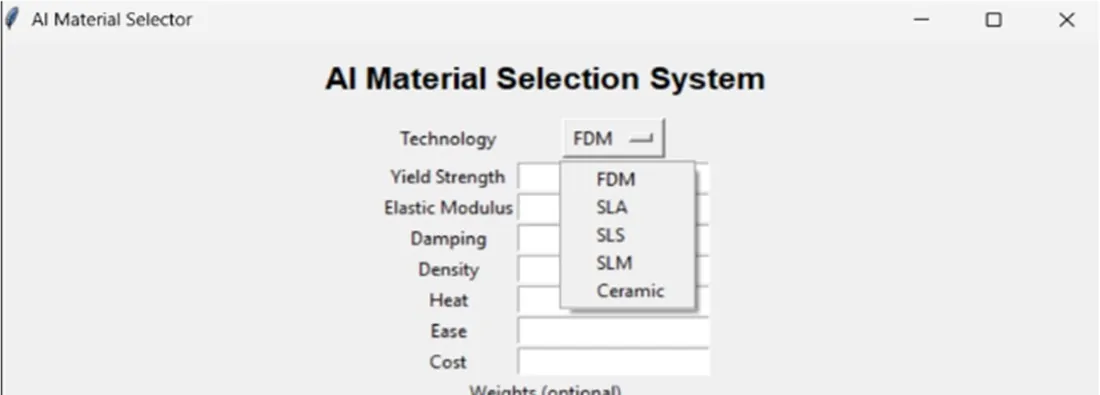
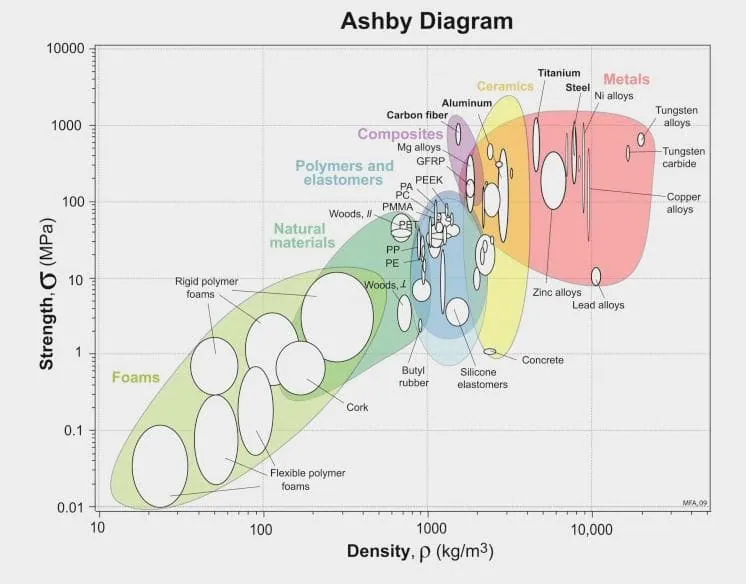
Choosing a filament shouldn't feel like gambling. We built a system that takes what you need — strength, flexibility, heat resistance, budget — and reasons over a property database spanning PLA, ABS, PETG, Nylon, TPU and PC. It normalizes everything, scores candidates with a weighted similarity model, filters by technology, and ranks its recommendations.
It grew into a desktop GUI with charts you can actually read, and it taught us an honest lesson about AI: a recommendation is only as good as the data and the weighting behind it.
Design from Words
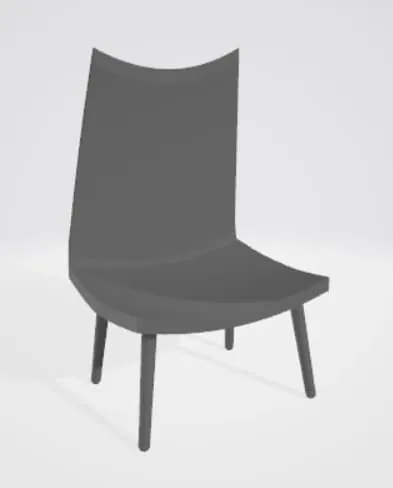
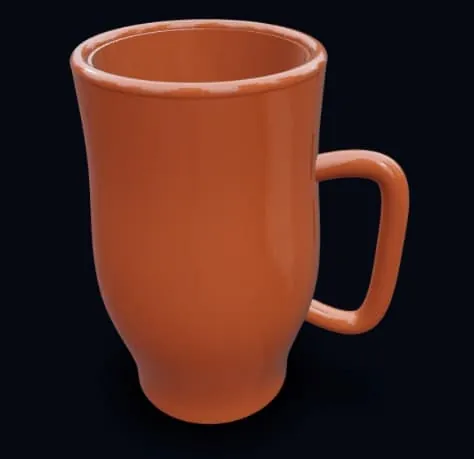
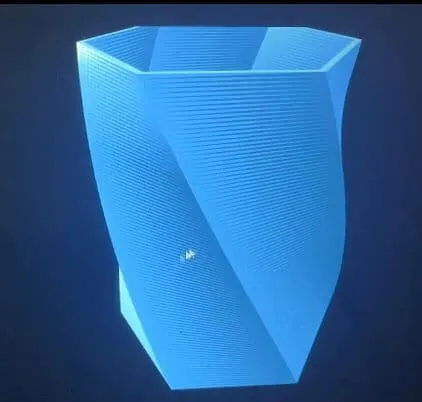
The boldest idea of the year: type what you want, get a manufacturable mesh. We classified prompts into design families, extracted parameters from natural language, generated geometry in code, and validated every mesh before it could reach a printer.
Programmatic generation came first — fast, controllable, transparent. Trained 3D models came next, bringing shapes we couldn't parameterize. The honest answer, like most honest answers in engineering, was a hybrid architecture: rules where reliability matters, learning where imagination does.
The Watchman
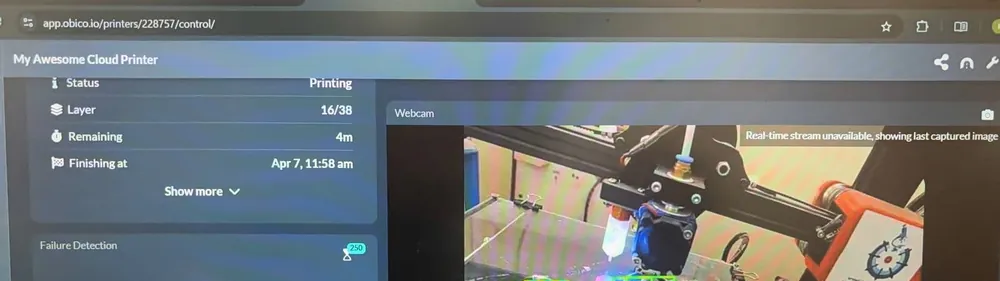
Meanwhile, the real printer in the real lab was being wired into something new. An OctoPrint server on a Raspberry Pi, a camera pointed at the bed, and an AI failure-detection layer watching for layer shifts, under-extrusion and warping — the exact spaghetti scenarios we started with.
Python automation closed the gap between seeing and doing: detect, log, alert, correct — while thermal data streamed to storage for the statistical work that would come later. The printer finally had someone awake on the night shift.
We Didn't Want to Believe. We Wanted to Measure.
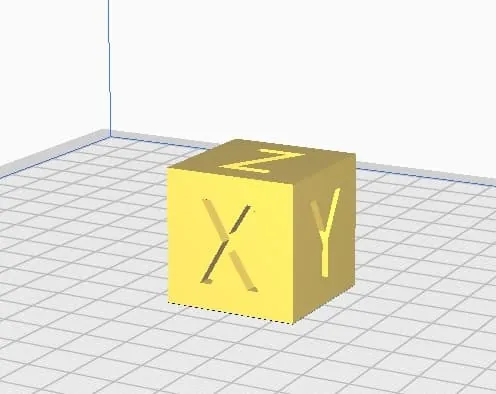
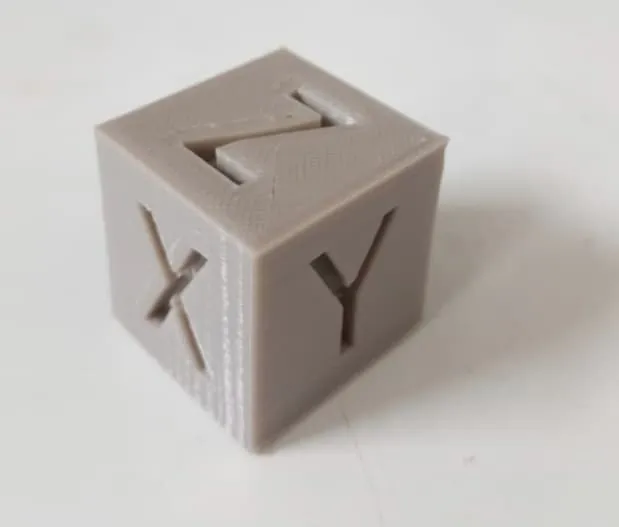
A smart system that can't prove it's smart is just a confident demo. So we designed a full factorial experiment around the printer: four factors — nozzle temperature, bed temperature, print speed and layer height — systematically varied against a calibration artifact, with ANOVA untangling which factors mattered and where they interacted.
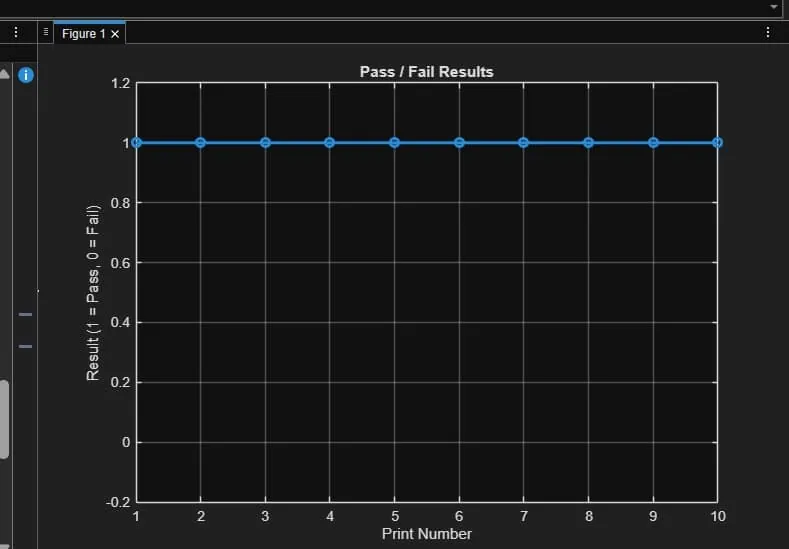
Then we turned the statistics on the monitoring system itself: sample sizes, sampling intervals, mean absolute error, overshoot, settling time — and finally a pass/fail reliability assessment run after run, file after file.
The number we're proudest of isn't on a chart. It's the sound of a print finishing overnight, unattended — and correctly.
Plotted live from the book — §4.5.19–4.5.20
Dashed line: PASS limit (MAE ≤ 0.5 °C) · settling time 72–181 s — §4.5.13–4.5.15
Research Ends Where the Product Begins
A pipeline that only lives in a lab report helps no one. In the final phase we pushed the whole thing to the cloud as a pilot deployment, and gave it a voice: a conversational HMI on Telegram that runs material selection with ranked recommendations, slices models through a real PrusaSlicer engine, generates 3D geometry from plain text, and estimates printing costs — in Arabic and English, from any phone.
And now the loop has a new door: our own web assistant, live on the platform. Ask it about materials, DfAM rules, slicing settings or cost — the same intelligence, one click away.
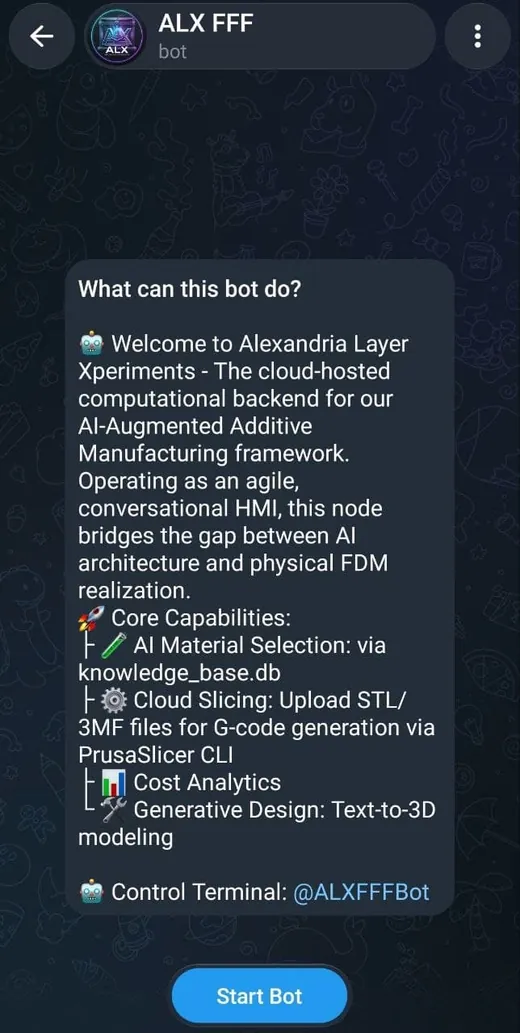
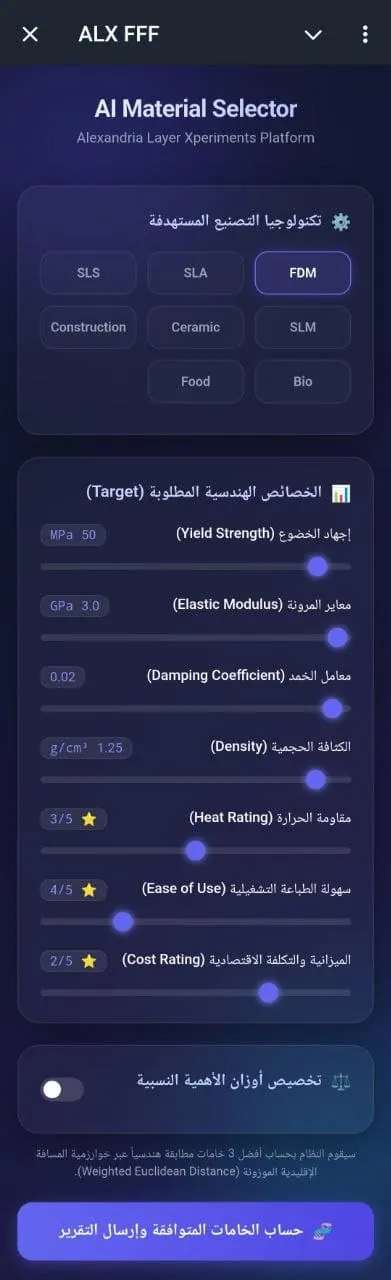
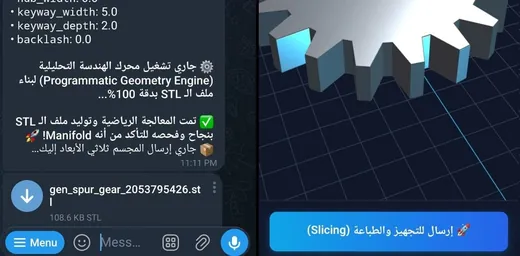
The machine is listening.
Everything you just read is running right now. Go talk to it.
The Layer We're Printing Now
This project was never meant to end at a defense. The roadmap points toward digital twins of real print farms, deeper generative intelligence, and closed-loop manufacturing that any workshop can afford — because defect-free printing shouldn't be a luxury.
To Prof. Dr. Ahmed Bahaadin Khairy, whose standards pushed this work further than we thought it could go — and to everyone who stood by the printer, the code, and us: thank you. This page is our way of writing down the year the way it deserved to be written.
Prefer the original? The complete book — every experiment, equation and chart — is one click away.

AI-AM 2026
Graduation Project Book
158 pages · 8 chapters · full methodology & results
Read the Full Book (PDF) ← Back to alxfff.com